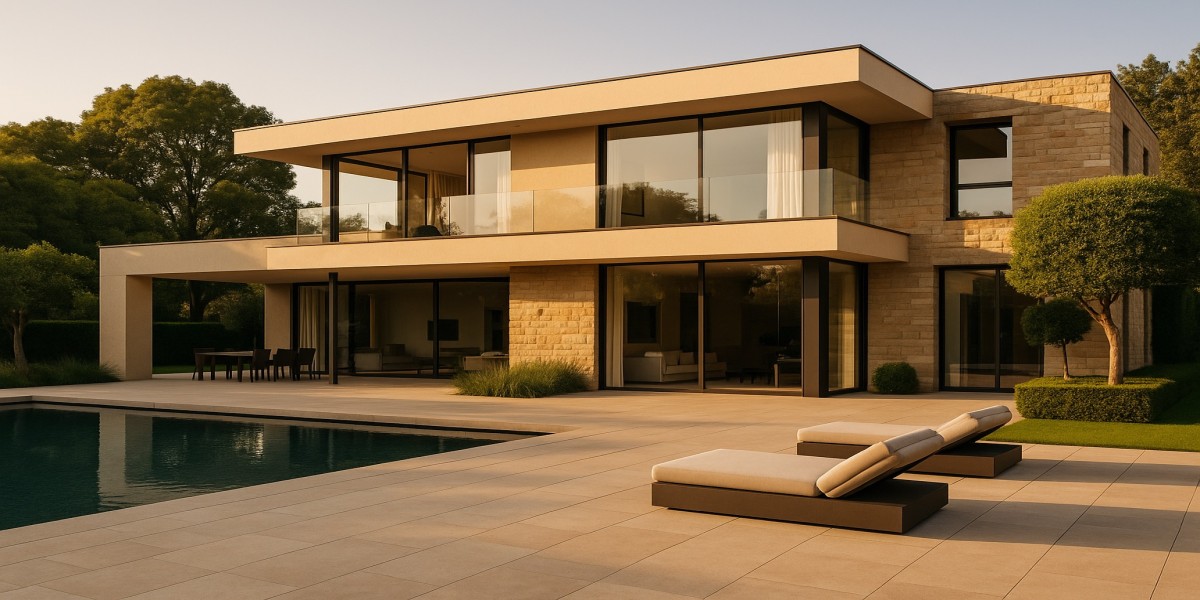



Luxury real estate is often portrayed as glossy brochures, grand facades, and record-breaking price tags. But behind every high-value deal are deeply human conversations—moments where aspirations, insecurities, and life goals surface.
Over the last year, I’ve personally engaged in 50 detailed conversations with serious luxury buyers—entrepreneurs, professionals, NRIs, and family offices. These weren’t quick sales calls; they were long, candid discussions about what truly matters when choosing a luxury home.
What emerged is both surprising and instructive. Luxury buyers are not just chasing marble floors and club memberships. Their concerns go deeper, touching lifestyle, legacy, privacy, and peace of mind.
Here are the 10 biggest lessons from those conversations—insights that every developer, broker, and seller should pay attention to.
When I asked buyers what makes a property truly “luxury,” the most common answer wasn’t about chandeliers, infinity pools, or Italian kitchens. It was peace of mind.
One buyer told me bluntly:
“If I’m spending ₹8–10 crore, I don’t want the next two years fighting paperwork. I want clarity.”
Lesson: Before you pitch lifestyle features, establish trust through flawless documentation, legal due diligence, and transparent disclosures.
Several buyers admitted that they’d toured 7,000+ sq. ft. homes but walked away unimpressed because of poor layouts. Meanwhile, a 3,800 sq. ft. apartment with cross ventilation and double-height balconies felt “larger” and more inviting.
Luxury buyers crave volume, flow, and natural light, not just numbers on a brochure.
Lesson: Showcase how a home feels—morning light, airflow, vistas—not just the square footage.
In today’s hyper-connected world, privacy has become the ultimate luxury. Gated entries, private lifts, low-density projects, and sound-proofing matter more than marble brand names.
One CXO put it beautifully:
“The less I’m seen when I enter or leave my home, the more luxurious it feels.”
Lesson: Emphasize discreet access, private elevators, and low-visibility layouts.
Earlier, luxury was sold by brand association—Italian marble, German kitchens, American appliances. But today’s buyers are savvier. They don’t want a shopping list of imported fittings; they want a lifestyle that feels effortless.
Think:
Lesson: Sell experiences, not labels.
In at least a dozen conversations, sustainability came up unprompted. Solar power, rainwater harvesting, energy-efficient glazing—these aren’t “nice to haves” anymore, they’re expected.
Buyers want to feel good about their purchase—not just financially, but ethically. They want homes that reduce their footprint without compromising comfort.
Lesson: Showcase sustainability with data—monthly energy savings, carbon footprint reduction, green certifications.
One recurring theme: buyers don’t want a “one-size-fits-all” property. They want to feel a home reflects their story.
Lesson: Allow flexibility in design and present options for personalization. Even small gestures—like offering modular walling or extra storage concepts—signal respect for individuality.
In 50 conversations, I noticed something fascinating. The decision to move forward usually didn’t happen during a discussion about price, ROI, or specifications. It happened when an emotional hook landed:
Lesson: Don’t just present properties. Stage emotions. Help buyers visualize their life in that space.
High-net-worth buyers don’t mind paying more if it saves them time. Streamlined site visits, clear communication, digital paperwork, and concierge-like service all leave a lasting impression.
One buyer said:
“Your 20-minute video walkthrough saved me two days of site visits. That’s worth more than a discount.”
Lesson: Respect their time. Invest in virtual tours, digital documentation, and hassle-free scheduling.
For many, especially families, the home wasn’t just a lifestyle upgrade—it was a legacy decision. They wanted a property their children would inherit with pride, in a community that would hold its value for decades.
This is why projects with long-term master planning (like DLF’s large ecosystems) resonated strongly. Buyers felt confident that the area itself would evolve positively over 20–30 years.
Lesson: Don’t just sell the apartment. Sell the ecosystem, the community, the long-term vision.
Above all, luxury buyers want someone they can trust. They’re not just buying a property; they’re buying your judgment, your ability to protect their interests, and your discretion.
One client summed it up:
“Naresh, I don’t care about the commission. I care about whether you’ll call me back in five years if something goes wrong.”
Lesson: In luxury, relationships close deals—not advertising. Build trust brick by brick.
Fifty conversations. Fifty different personalities. Yet, when you zoom out, the picture is clear:
At PropBlitz, these lessons shape everything we do. From mandate-based selling to specialist focus on Gurgaon’s luxury ecosystem, our goal is simple: to help clients buy and sell with clarity, discretion, and confidence.
If you’re exploring the luxury property market—whether for a new purchase, a resale, or a discreet off-market deal—I’d be glad to continue this conversation with you.
📩 naresh@propblitz.com 🌐 www.propblitz.com 📱 +91 99582 49997 (WhatsApp / Mobile)
Because in the end, the real luxury isn’t just the property—it’s the experience of buying it.